
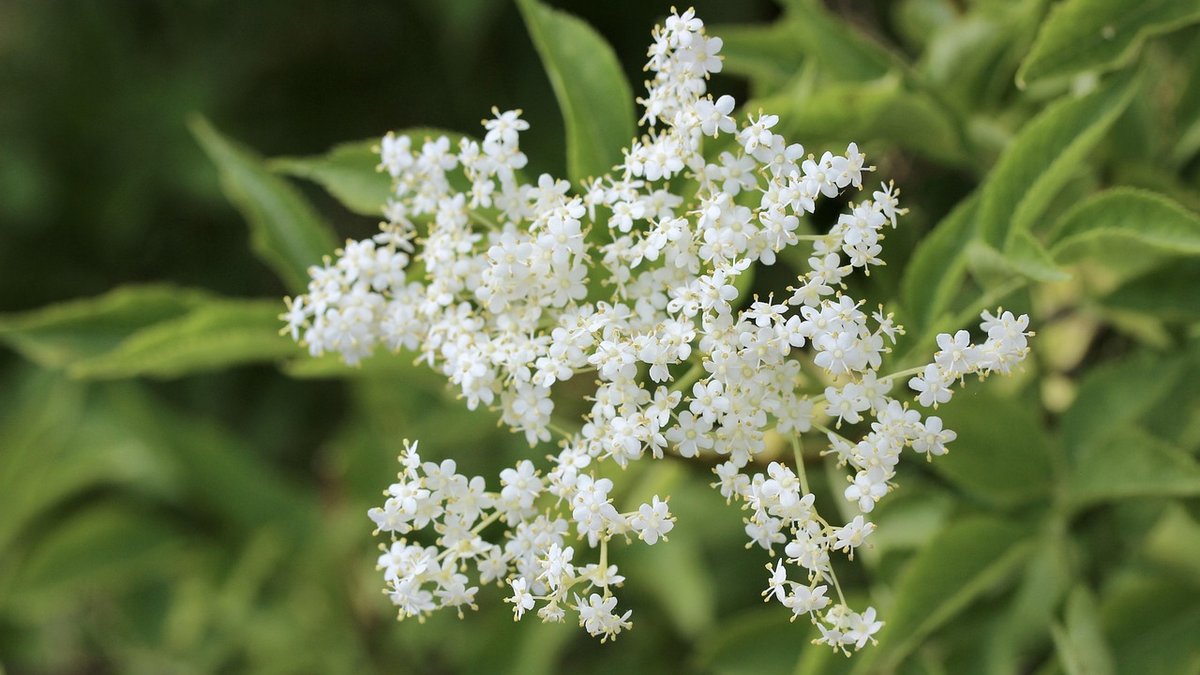
Hawthorn is the backbone of the British hedgerow. Crataegus monogyna, the common hawthorn, is the species you will meet most often — the one that froths with white blossom in May and turns up in nearly every field boundary, lane and scrubby verge in the country. It has been used for centuries as a boundary plant, which is why our landscape is so thoroughly knitted together with it.
By September and October, those same bushes are heavy with deep crimson haws. They are tart, faintly apple-like, with a subtle almond or marzipan note from the single stone inside each berry. Raw, they are seedy and slightly astringent, and eating a lot of them raw can have a laxative effect, so they are best cooked. Simmered, strained and spiced, they make a ketchup that is dark, rich and wonderfully sharp — superb with mature Cheddar, cold roast beef, game pies, sausages or a ploughman's lunch.
Hawthorn identification is pleasingly straightforward once you know what to look for.
Do not rely on berries alone. Several hedgerow shrubs have similar red fruit, so always check the leaves and thorns together. Cotoneaster has small oval glossy leaves and no thorns. Rowan has pinnate leaves in pairs along a stem, and its berries are more orange. Pyracantha has glossy evergreen leaves and orange firethorn berries.
One serious warning: yew is deadly. Its berries look like red cups around a green seed, but its leaves are dark evergreen needles, not lobed. If in any doubt at all, leave it alone. Never pick from a plant you cannot identify with total certainty.
Choose berries that are fully coloured, firm and slightly soft to the touch. Avoid anything shrivelled, mouldy or flea-bitten — haws host a fair few insects, so expect to discard a few.
If you have more haws than you can use in a day, freeze them whole. Freezing softens the flesh and makes the pulp far easier to extract.
This makes roughly 500–600ml, or about two average bottles.
Rinse the haws and pick them over carefully, discarding any stalks, leaves and damaged fruit.
Tip them into a heavy pan with the vinegar, water, onion, garlic, ginger, peppercorns, cloves, bay leaf and paprika. Bring to a gentle simmer, then cover and cook for 25–30 minutes until the berries have collapsed and the liquid has taken on a deep ruby colour. Mash with a potato masher to help the pulp release.
Strain the mixture through a jelly bag or a fine sieve set over a bowl. Leave it to drip for at least an hour, ideally overnight, then press the pulp firmly with the back of a spoon to extract every last drop. Don't be tempted to squeeze hard through muslin — a little cloudiness is fine, but grit from the stones is not.
Return the strained liquid to a clean pan with the sugar and salt. Simmer gently, stirring, until the sugar dissolves, then reduce for 15–25 minutes until it coats the back of a spoon and has the consistency of a pourable ketchup. It will thicken further as it cools, so stop slightly short of where you want it.
Taste and adjust — a splash more vinegar for sharpness, a little sugar for balance. Pour into sterilised bottles or jars while hot, seal, and label with the date.
Unopened, it keeps in a cool, dark cupboard for up to a year. Once opened, keep it in the fridge and use within four to six weeks.
Serve it as you would a good fruit ketchup: alongside a cheeseboard, with cold ham or roast game, stirred into gravies and casseroles, brushed over sausages before roasting, or spooned onto a bacon sandwich. It also makes a thoughtful homemade gift — a taste of the hedgerow, bottled, that costs nothing but a walk and an afternoon.

Hi, my name is Anthony kuber. I am artist and fashion designer.
I love to travel and writing blogging.
Your email address will not be published. Required fields are marked *
Software Developer & Writer
Hey, I'm Diva, a developer and writer blending code and creativity. I'm driven by a deep curiosity and a relentless pursuit of excellence. Join me as I craft digital solutions and captivating stories.


