
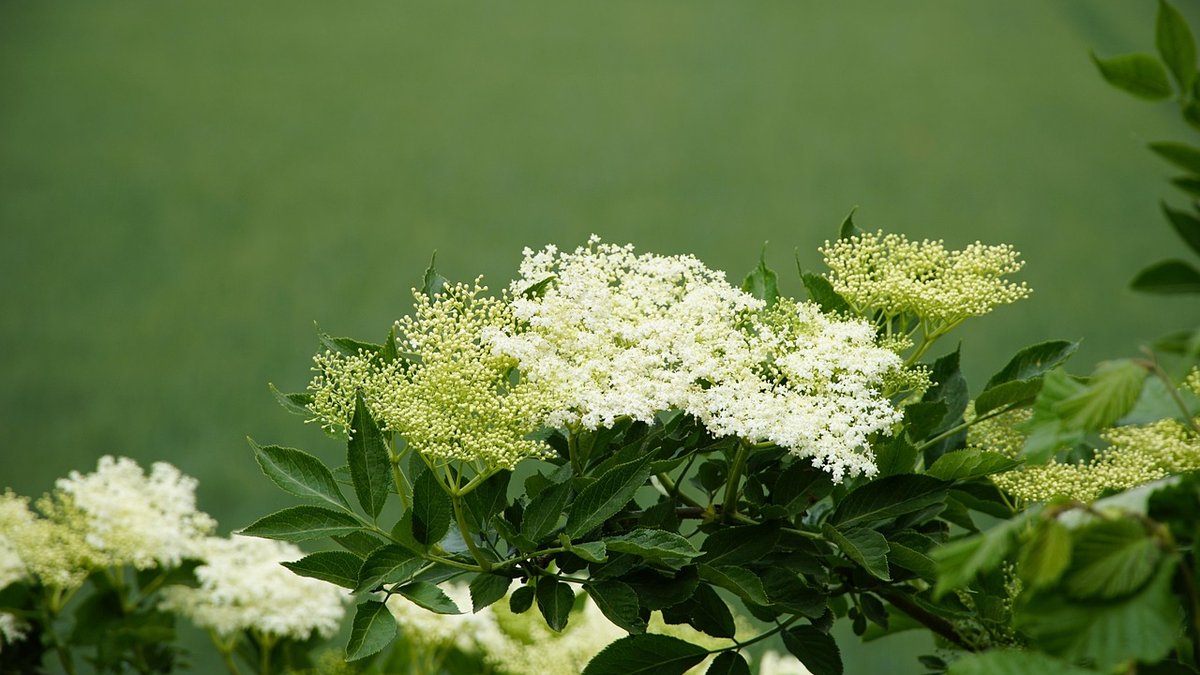
There is a moment in early spring when the hedgerows seem to wake up. The first greens appear before the trees are in full leaf, and the air smells of damp earth and new growth. This is the forager's reward. You won't find berries yet, but you will find tender leaves, pungent shoots, and edible flowers. The key is to start small, learn a handful of common species well, and always forage with care. This walk covers safe, widespread plants that you can find in most British hedgerows, verges, and woodland edges.
Stinging nettles (Urtica dioica) are the perfect first foray for any spring forager. Best picked from March to May, before they flower, look for the top four leaves of young plants. Wear gloves, use scissors, and drop them into a basket or bag. Once cooked, the sting disappears. Blanch for a minute, then use in soup, pesto, or as a spinach substitute. Nettle soup with a little potato and stock is a classic. You can also dry the leaves for tea. Avoid nettles growing on rubbish tips or sprayed verges. They are rich in iron, calcium, and vitamin C.
Wild garlic, or ramsons (Allium ursinum), carpets damp woodland and shaded hedgerows from March to June. The long, pointed leaves smell unmistakably of garlic when crushed. The white starry flowers are edible too, with a milder flavour. Pick leaves from the base, leaving the bulb in the ground. Use them raw in salads, or blend into pesto, soups, and butters. Safety note: wild garlic leaves can be confused with lily of the valley or young lords-and-ladies, which are toxic. Always crush a leaf and smell it. If it doesn't smell of garlic, leave it. Three-cornered leek is another safe allium, with a triangular stem and white flowers.
Dandelions (Taraxacum officinale) are everywhere. Young leaves are less bitter, good in salads or wilted with bacon. The yellow flowers can be made into fritters, syrup, or wine. Pick only from clean lawns. Hawthorn (Crataegus monogyna) offers young leaves and flower buds in April and May. Known as "bread and cheese", they are mild and nutty, lovely in sandwiches. Hairy bittercress (Cardamine hirsuta) is a peppery salad leaf, often a garden weed. Chickweed (Stellaria media) is mild and abundant, good in salads or as a pot herb. Gorse flowers smell of coconut and can be infused in tea or made into wine. Always use a good field guide and never munch on a plant you cannot identify with absolute certainty.
Foraging is a joy, but it comes with responsibility. Follow these simple rules:
Spring is a generous season, but it passes quickly. A walk with a basket and a keen eye can yield a free, delicious, and deeply satisfying harvest. Start with nettles and wild garlic, then add a few flowers and shoots as your confidence grows. You'll soon find that the hedgerow is not just a boundary, but a larder waiting to be discovered.

Hi, my name is Anthony kuber. I am artist and fashion designer.
I love to travel and writing blogging.
Your email address will not be published. Required fields are marked *
Software Developer & Writer
Hey, I'm Diva, a developer and writer blending code and creativity. I'm driven by a deep curiosity and a relentless pursuit of excellence. Join me as I craft digital solutions and captivating stories.


