
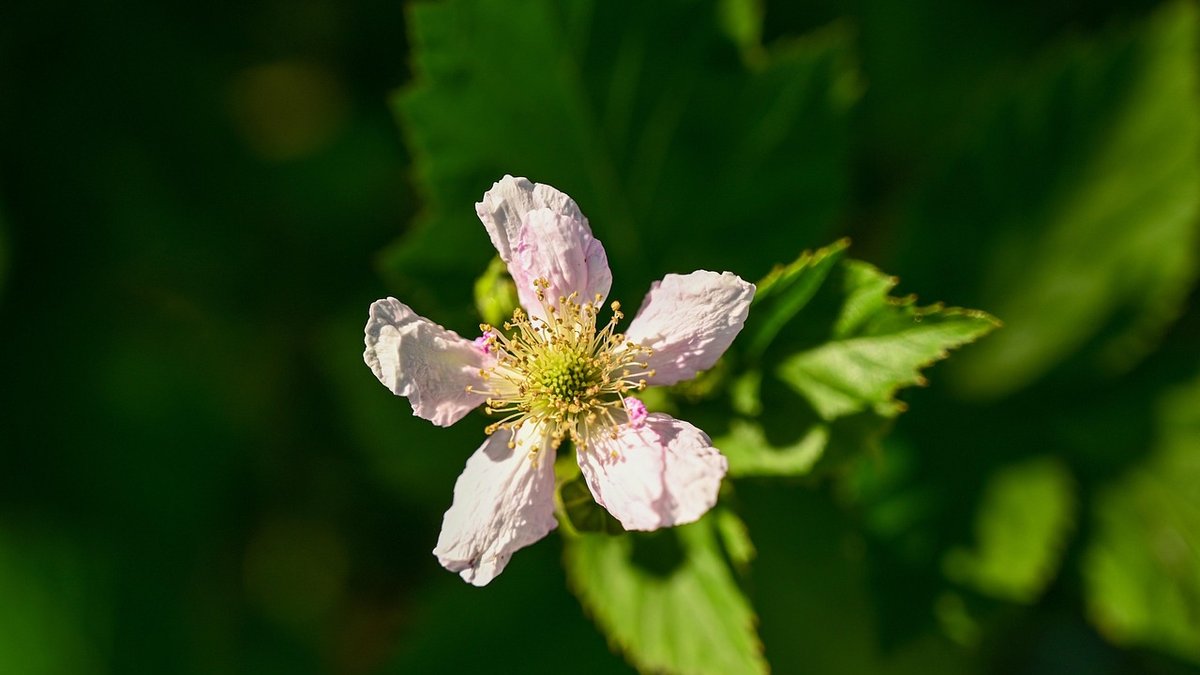
There is a particular moment in late May or early June when the British countryside seems to hold its breath. The hawthorn has finished, the cow parsley is beginning to seed, and along the hedgerows the elder bushes push out their creamy, flat-topped heads of blossom. If you catch them on a warm, dry morning, the scent is heady and sweet — a smell that captures the very beginning of summer. Making elderflower cordial is one of the simplest and most rewarding ways to bottle that scent, turning a few handfuls of free blossoms into a golden syrup that will keep you in refreshing drinks for months.
Elderflower cordial has a delicate, muscat-like flavour that sits somewhere between lychee, honey, and a summer hedgerow. It is far more fragrant than anything you can buy in a supermarket, largely because commercial versions rely on concentrates and artificial flavourings. When you make your own, you are capturing the volatile oils at their peak. The process is forgiving, the ingredients are cheap, and the result is a versatile syrup. Diluted with still or sparkling water, it makes a restorative summer drink. Poured over ice with a slice of lemon, it becomes a garden party staple. It can also be used to sweeten fruit salads, poach gooseberries, or add a floral note to gin and tonic. Best of all, the elderflower season is short — usually just three or four weeks — so the ritual feels like a genuine event, a way of marking the turning of the year.
Timing is everything. Elderflowers are at their best when the heads are fully open and a creamy-white colour, with a dusting of pollen on the anthers. Pick them on a dry, sunny day, ideally in the morning after the dew has dried but before the heat of the afternoon. Avoid flowers that are turning brown, dropping petals, or already forming tiny green berries — these will taste bitter and mouldy. Rain washes away the pollen and the precious scent, so never pick after a downpour.
Elder bushes are common in hedgerows, woodland edges, waste ground, and along railway lines. However, be sensible about where you gather. Avoid busy roadside verges where exhaust fumes settle on the flowers, and never trespass on private land. In the UK, picking a few flower heads for personal use from a public footpath is generally acceptable, but always leave plenty behind for wildlife. Elderflowers provide food for bees, hoverflies, and later the berries feed birds. A good rule is to take no more than one head in every four, and never strip a bush bare.
Take a basket or a large paper bag rather than a plastic carrier, which can sweat and crush the delicate blooms. Snap the flower heads off at the stem, leaving as little green stalk as possible — the stems and leaves contain unpleasant-tasting compounds. Do not wash the flowers unless they are truly gritty; a gentle shake will dislodge most insects. If you must rinse them, do so briefly and pat dry with a clean tea towel.
This recipe makes about two litres of cordial, which will keep in the fridge for several weeks or freeze beautifully in smaller bottles. You will need a large bowl or bucket, a saucepan, a fine sieve, and a piece of muslin or a clean tea towel for straining.
First, sterilise your bottles. Wash them in hot soapy water, rinse well, and place them in a low oven (about 120°C) for ten minutes. Meanwhile, bring the water to the boil in a large saucepan, then add the sugar and stir until it has completely dissolved. Remove from the heat and allow to cool for a few minutes — you want it warm but not boiling, as boiling water can dull the elderflower aroma.
While the syrup cools, pare the zest from the lemons in wide strips, avoiding the white pith, and squeeze the juice. Add the zest, juice, elderflower heads, and citric acid to the warm syrup. Give it a gentle stir, then cover the pan with a lid or a clean cloth and leave to infuse for 24 to 48 hours. The longer you leave it, the stronger the flavour, but after two days it can start to taste slightly medicinal. Taste it after 24 hours and decide.
When you are happy with the flavour, strain the cordial through a muslin-lined sieve into a large jug or bowl. Do not press the flowers to extract every last drop, or you will cloud the cordial and introduce bitterness. Pour the strained liquid into your sterilised bottles, seal, and store in the fridge. It will keep for up to six weeks chilled. For longer storage, pour into freezer-safe bottles, leaving a little headspace, and freeze for up to a year. To serve, dilute one part cordial with five parts water or sparkling water, and add ice and a slice of lemon.
If you prefer a slightly less sweet cordial, reduce the sugar to 1.2 kg. Some foragers add a handful of fresh mint leaves or a few strips of orange zest alongside the lemon for a different twist. A small piece of root ginger, bruised, also works well. Always label your bottles with the date, and never use flowers that have been sprayed with pesticides — avoid picking near farmland unless you know the farmer's practices. Finally, remember that the elderflower season is fleeting. Make a batch, share a glass with friends, and raise a toast to the hedgerows. Next year, you will be watching the bushes like a hawk from the first week of May.

Hi, my name is Anthony kuber. I am artist and fashion designer.
I love to travel and writing blogging.
Your email address will not be published. Required fields are marked *
Software Developer & Writer
Hey, I'm Diva, a developer and writer blending code and creativity. I'm driven by a deep curiosity and a relentless pursuit of excellence. Join me as I craft digital solutions and captivating stories.


