
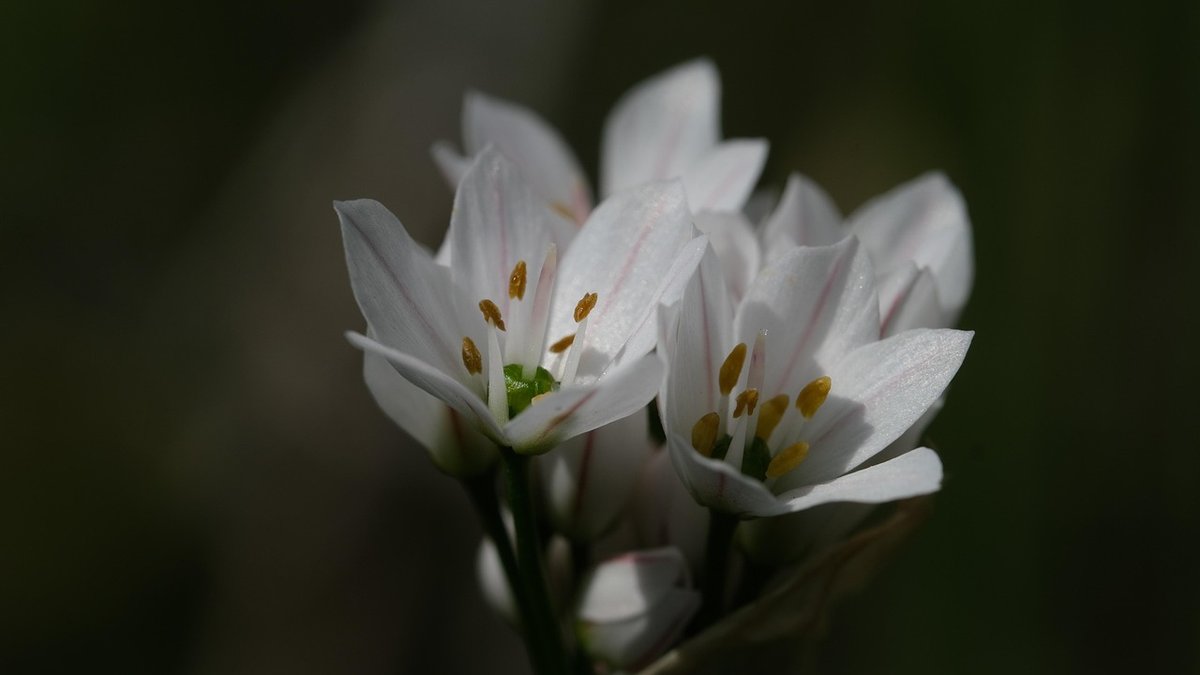
Sloes are the fruit of the blackthorn, that spiny hedgerow shrub that bursts into white blossom in early spring. By late autumn, its branches are heavy with small, dusty blue-black berries that look like miniature damsons. The key is timing. Traditionally you wait until after the first frost, but in recent mild years that can mean late November or even December. Pick too early and the berries are rock-hard and mouth-puckeringly astringent. If a frost hasn't arrived, don't worry — you can replicate its effect by freezing your harvest at home.
Look for sloes in mixed hedgerows, woodland edges, and old field boundaries. Avoid busy roads where exhaust fumes settle on the fruit. The best test for ripeness is a gentle squeeze: the berry should yield slightly, and the skin should carry a soft, powdery bloom. If it's hard as a pebble, leave it. Always wear gloves — blackthorn thorns are vicious and can break off under the skin. Pick into a bucket or bag, and take no more than a quarter from any one bush. Leave plenty for the birds and for next year's crop.
Once home, rinse the sloes in cold water and discard any leaves, stalks, or damaged fruit. Spread them out on a tray and freeze overnight. This mimics the frost, splitting the skins and helping the flavour release into your chosen spirit. If you can't wait, prick each sloe with a needle or the tip of a sharp knife — tedious but effective. As a rough guide, you'll need about 500g of sloes for every 70cl bottle of gin. Some foragers add a few blanched almonds or a drop of almond extract for a subtle marzipan note, but that's entirely optional. A single clove or a strip of orange zest can also add warmth.
This is the recipe that turns a hedgerow harvest into liquid gold. You'll need 500g sloes, 500g caster sugar, and 1 litre of gin (or vodka for a cleaner taste). Find a large sterilised jar with a tight-fitting lid.
Variations: swap gin for vodka for a purer fruit flavour, or use whisky for a smoky depth that partners beautifully with game. Sloe brandy is a revelation. For a lower-alcohol version, use a 50/50 mix of gin and dry vermouth and drink within a month.
Sloes are low in pectin, so they need help to set. Pair them with cooking apples. Use 1kg sloes and 1kg peeled, cored, chopped cooking apples. Put both in a large pan with just enough water to cover — about 1 litre. Simmer until soft, roughly 30 minutes. Strain through a jelly bag or muslin overnight. Resist squeezing the pulp, or your jelly will be cloudy.
Measure the juice: for every 600ml, add 450g sugar. Warm gently until the sugar dissolves, then boil hard until setting point — 105°C on a thermometer, or when a drop on a cold saucer wrinkles when pushed. Pot into sterilised jars. This makes about four to five jars. The jelly is superb with cold roast pork, venison, or sharp cheeses. A spoonful stirred into gravy adds a tart, fruity note that cuts through richness.
For a quick sloe sauce, simmer 200g sloes with 100ml red wine, 50ml port, a sprig of thyme, and a tablespoon of sugar. Cook until the fruit collapses, then push through a sieve. Serve warm with venison, pheasant, or duck. It also works as a ketchup-style condiment — blend with a little cider vinegar and a pinch of allspice.
You can also add whole sloes to a braise of venison or wild boar. They break down and thicken the sauce, lending a sour-sweet depth. A handful of frozen sloes dropped into a casserole is a brilliant winter shortcut. For a richer sauce, reduce the braising liquid with a splash of sloe gin just before serving.
Sloe syrup: simmer equal volumes of sloes and water for 20 minutes, mash, then strain. Add half the volume of sugar and reduce until syrupy. Use in cocktails, drizzle over ice cream, or stir into hot toddies. Sloe port: follow the sloe gin method but use ruby port and only 250g sugar per 500g sloes — ready in six weeks. Sloe leather: purée cooked sloes with a little honey, spread thinly on a lined tray, and dry in a low oven at 60°C for six to eight hours until leathery. Cut into strips for a tart, chewy snack.
A final note: always leave some sloes for the wildlife. Fieldfares, redwings, and thrushes rely on them through hard weather. And if you find a particularly good bush, remember it — sloes fruit best on two-year-old wood, so a light prune after picking encourages a strong crop next year. With a little patience, your winter kitchen will be full of hedgerow flavour long after the blackthorn has gone bare.

Hi, my name is Anthony kuber. I am artist and fashion designer.
I love to travel and writing blogging.
Your email address will not be published. Required fields are marked *
Software Developer & Writer
Hey, I'm Diva, a developer and writer blending code and creativity. I'm driven by a deep curiosity and a relentless pursuit of excellence. Join me as I craft digital solutions and captivating stories.


