
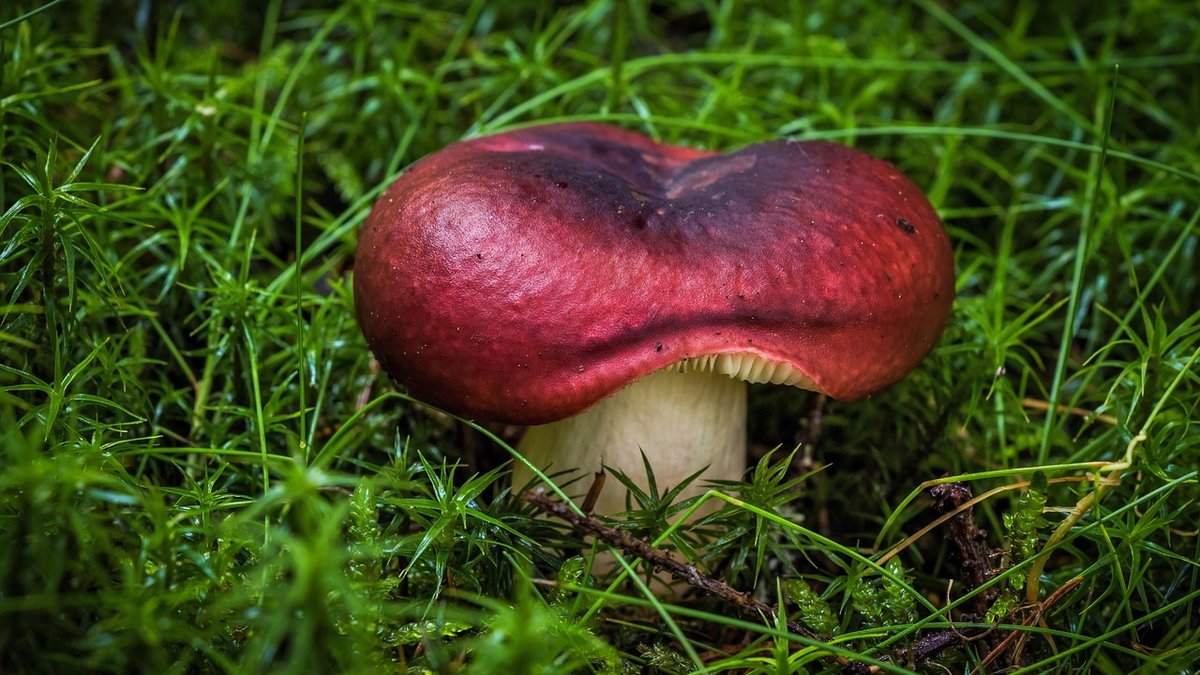
A good day's foraging starts long before you reach the hedge. It starts with a basket that sits comfortably on your arm, a knife that cuts cleanly, and a field guide you actually trust. You do not need expensive kit. You need a small, thoughtful set of tools that keeps your harvest fresh, your hands protected, and your identification certain. Here is what to put together before you head out.
Soft fruit sweats and bruises in a plastic bag. A wicker or willow basket lets air move around berries, leaves and mushrooms, so they arrive home in better condition. Look for a shallow, flat-bottomed basket about 25–30 cm across, with a handle that fits over your forearm. Line it with a clean cotton cloth to stop small items falling through gaps.
A small folding pocket knife is the most useful tool in the hedgerow. For most people in the UK, a non-locking blade under 7.62 cm is the simplest legal carry. Cut nettles, wild garlic and herbs cleanly rather than pulling them, which damages the plant and brings up roots you do not want. A curved pruning knife or a pair of garden snips is excellent for woody stems such as sloes and hazel.
British hedgerows are generous, but they are also armed. Blackthorn, hawthorn and brambles will punish bare hands, and nettles sting through thin fabric. A pair of close-fitting gardening gloves with rubberised palms gives you grip and protection without losing feel. For serious thorn work, leather gloves are better. Long sleeves are wise in late summer, when brambles arch across paths.
One big bag is a recipe for crushed berries and confused identification. Take several small containers and keep each species apart. Cotton drawstring bags are breathable and washable; small rigid tubs protect soft fruit; paper bags suit mushrooms because they do not sweat. If you are learning, label each bag with the name and place. Never mix a handful of something you know with something you are unsure about.
A pocket field guide is not optional. Choose one with clear illustrations, a key, and details of toxic lookalikes. For British hedgerows, you want sections on elder, blackberry, sloe, hawthorn, rosehip, hazel, crab apple, wild garlic and common greens such as nettle and sorrel. Check leaf shape, stem, flower, smell and habitat before you pick. A hand lens helps with small flowers and hairs. Keep a notebook of dates, weather and places, and you will soon learn which hedge gives what, and when.
Spring brings nettles, wild garlic, hawthorn leaves and dandelion. Summer offers elderflowers, blackberries and wild cherries. Autumn is the great hedgerow harvest: sloes, haws, hips, elderberries, hazelnuts, crab apples and damsons. Winter still gives rosehips and nuts, though you should leave plenty for birds and mammals. Pick only what you need, take no more than a small share from any bush, and never uproot a plant without the landowner's permission. Avoid busy roads, sprayed verges and places where dogs foul. Wash everything before eating. Check local byelaws and protected species rules before you set out, and ask permission on private land.

Hi, my name is Anthony kuber. I am artist and fashion designer.
I love to travel and writing blogging.
Your email address will not be published. Required fields are marked *
Software Developer & Writer
Hey, I'm Diva, a developer and writer blending code and creativity. I'm driven by a deep curiosity and a relentless pursuit of excellence. Join me as I craft digital solutions and captivating stories.


