
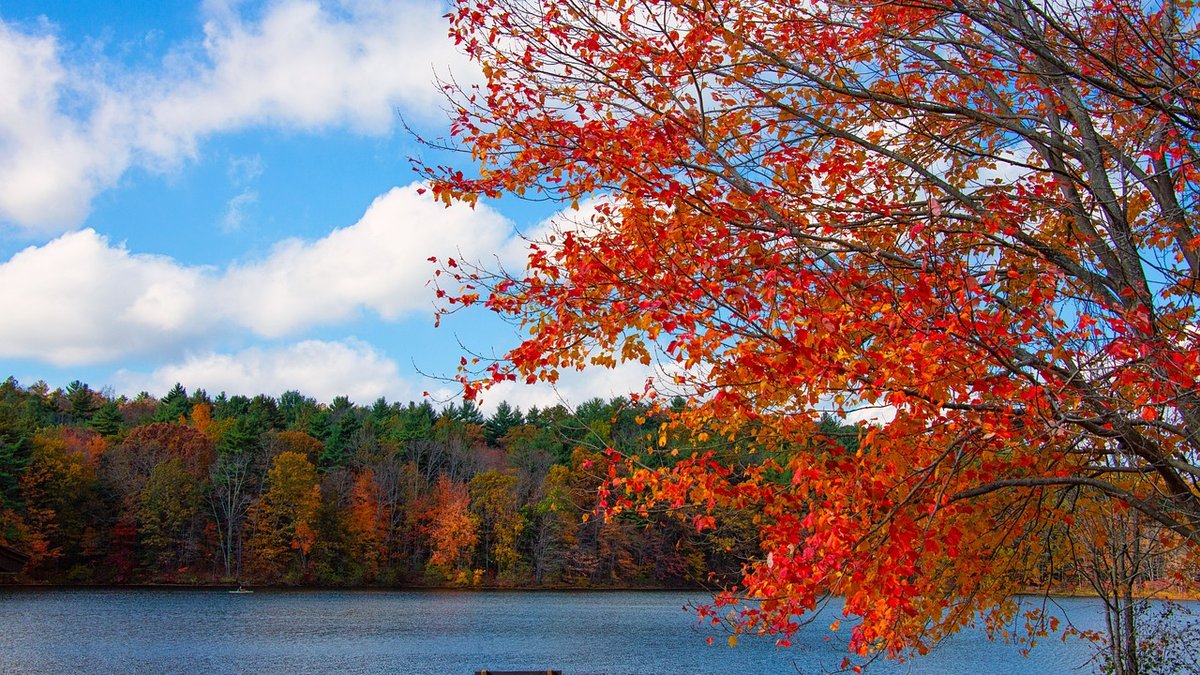
A hedgerow is the backbone of the British countryside, but you don't need acres to enjoy one. Even a small garden can host a mini hedgerow that teems with life and offers a seasonal larder. Choose native shrubs and fruiting species to create a wildlife corridor and a source of wild food.
Traditional hedgerows are linear, but in a small garden you can adapt the idea: a mixed border, a boundary screen, or a large container. The key is density and diversity. A 3-4 metre stretch along a fence can support a surprising amount of wildlife. Hedgehogs use it as a highway, sparrows nest in it, and bees feast on its flowers. You also get to harvest sloes, rosehips, and hazelnuts. Unlike a tidy ornamental hedge, a wildlife hedgerow is allowed to flower and fruit, so less pruning and more natural beauty.
Select a mix that flowers and fruits at different times. This provides continuous supplies for wildlife and extends your harvest. Aim for at least three species. Good choices for a small garden include:
If space is tight, choose slower-growing varieties. Guelder rose (Viburnum opulus) and field maple add colour and berries.
Think in layers: ground cover, shrubs, and perhaps a small tree. In a small garden, mimic this with a 1-2 metre deep border. Plant shrubs 45-60 cm apart for a dense hedge, or 90 cm apart for a looser look. If narrow, plant a single row and prune to 1.5-2 metres high. Most fruiting shrubs prefer sun but tolerate partial shade; avoid deep shade. For containers, choose dwarf varieties or keep hazel and elder in large pots. Dog rose and crab apple work well on dwarfing rootstock.
Bare-root shrubs are cheapest and establish best. Plant between November and March when the ground isn't frozen. Prepare soil by removing weeds and adding well-rotted compost. Dig a hole wide enough for roots to spread. Set the plant at the same depth as in the nursery, firm in, and water well. Mulch with bark chips or compost to retain moisture and suppress weeds. Water regularly for the first two summers. Prune lightly in the first year to shape. Thereafter, prune in late winter to remove dead or crossing branches. Never trim the whole hedge in summer—you'll destroy nests and remove flowers and fruit. Cut one third of the oldest stems to the ground each year to encourage new growth and keep the hedge dense.
A wildlife hedgerow gives you a free larder. Always leave at least half the fruit for birds and mammals. Here's a rough calendar:
Always identify with certainty. Some berries are toxic. Use a good field guide. Avoid busy roads or sprayed hedges. Never take more than you need.
A wildlife-friendly hedgerow is more than food. Leave leaf litter for beetles and hedgehogs. Don't tidy fallen leaves—they shelter overwintering insects. Allow some stems to remain uncut for solitary bees. Add a small log pile or stones if space allows. Avoid pesticides and herbicides. The more diverse your planting, the more creatures visit. You might spot a wren darting into thorns, a comma butterfly sunning, or a wood mouse scurrying along the base. In return, they pollinate crops and keep pests in check. A small garden hedgerow is a tiny ecosystem that gives back all year round.

Hi, my name is Anthony kuber. I am artist and fashion designer.
I love to travel and writing blogging.
Your email address will not be published. Required fields are marked *
Software Developer & Writer
Hey, I'm Diva, a developer and writer blending code and creativity. I'm driven by a deep curiosity and a relentless pursuit of excellence. Join me as I craft digital solutions and captivating stories.


